Guacamole Ritual
A 300-year-old recipe, three ingredients that matter, and why the molcajete still wins.
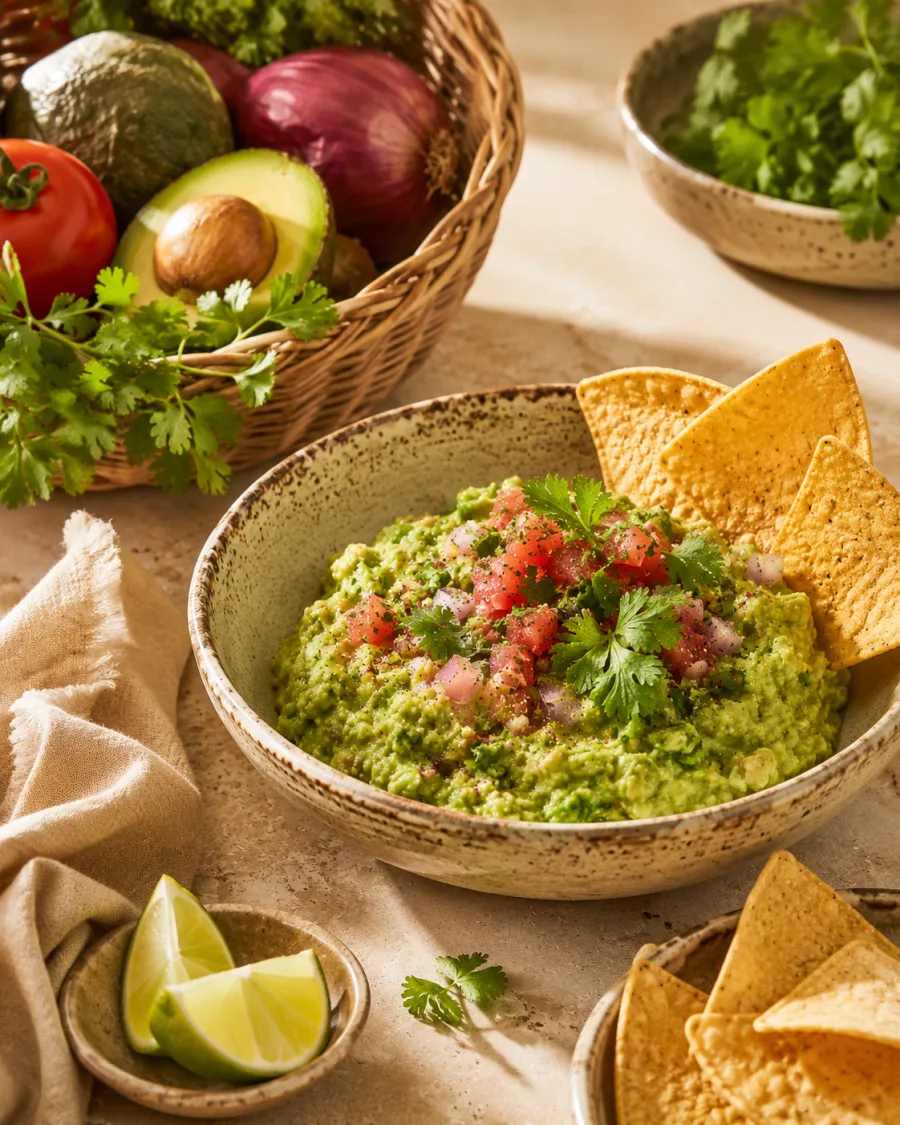
There's a specific sound when avocado meets volcanic stone. Rough. Slow. Intentional. It's the sound of refusing shortcuts — of choosing texture over speed, of letting three ingredients become something larger than themselves. In my grandmother's kitchen in Xalapa, this sound was a kind of clock: when it started, dinner was thirty minutes away. When it stopped, the family had already gathered.
We've made guacamole a hundred thousand times since — for weddings, for quiet Tuesday lunches, for the first night of our daughter's university. What we've learned in two decades of grinding aguacate against basalt is that the recipe is not the secret. The pause is.
Most guacamole you've eaten was made in a blender. You can taste it: the texture is homogeneous, the flavors flattened into a paste. The molcajete refuses that. Its porous volcanic surface holds oils and salt from every previous batch, and its irregularity means every bite has a pocket of cilantro, a whisper of chile, a piece of avocado that still remembers being a fruit. This is what we mean when we say authenticity. It's not a recipe. It's a refusal.
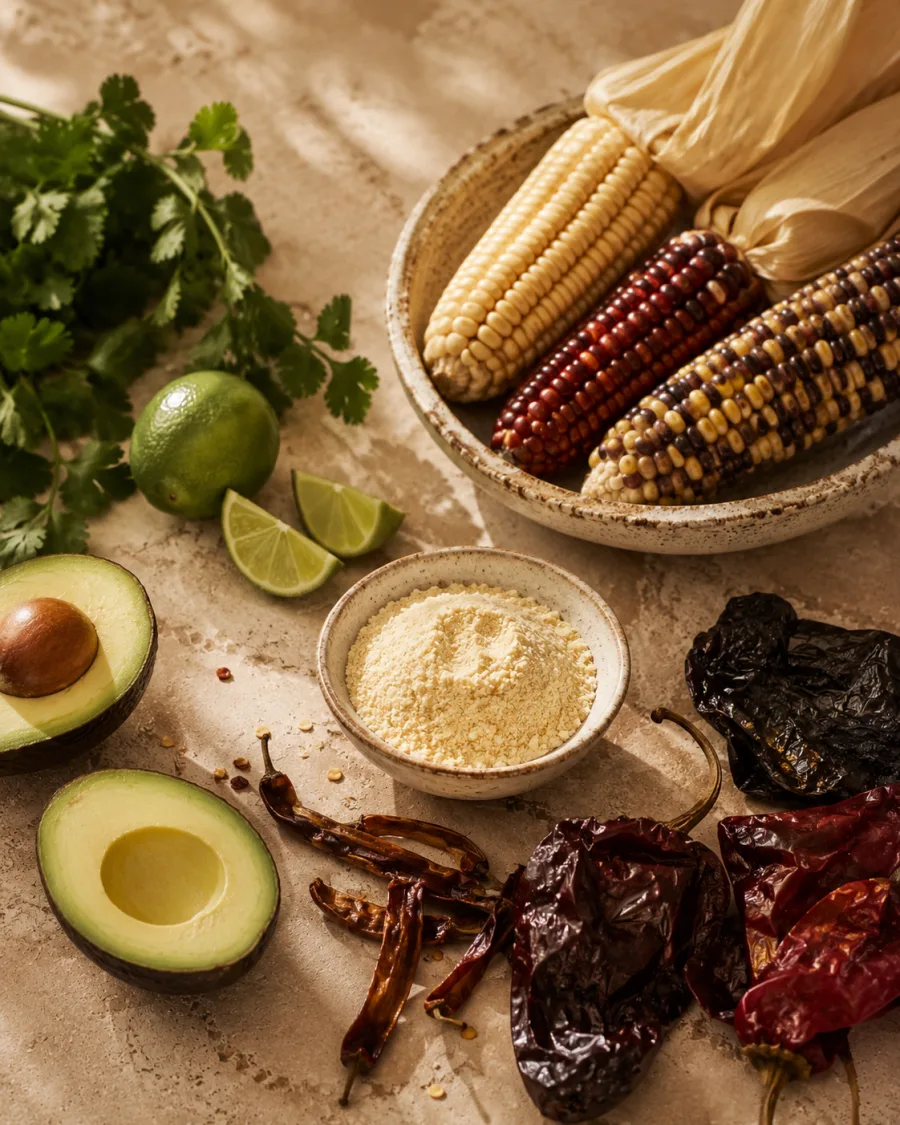
Three things that matter. Nothing else.
No onion. No tomato. No mayonnaise — please, never mayonnaise. Guacamole is an exercise in restraint.
Aguacate Hassthe fruit that started the argument
Press gently near the stem. If it yields without resistance — you're ready. If it gives like butter — too far. Not Hass? Sit this one out.
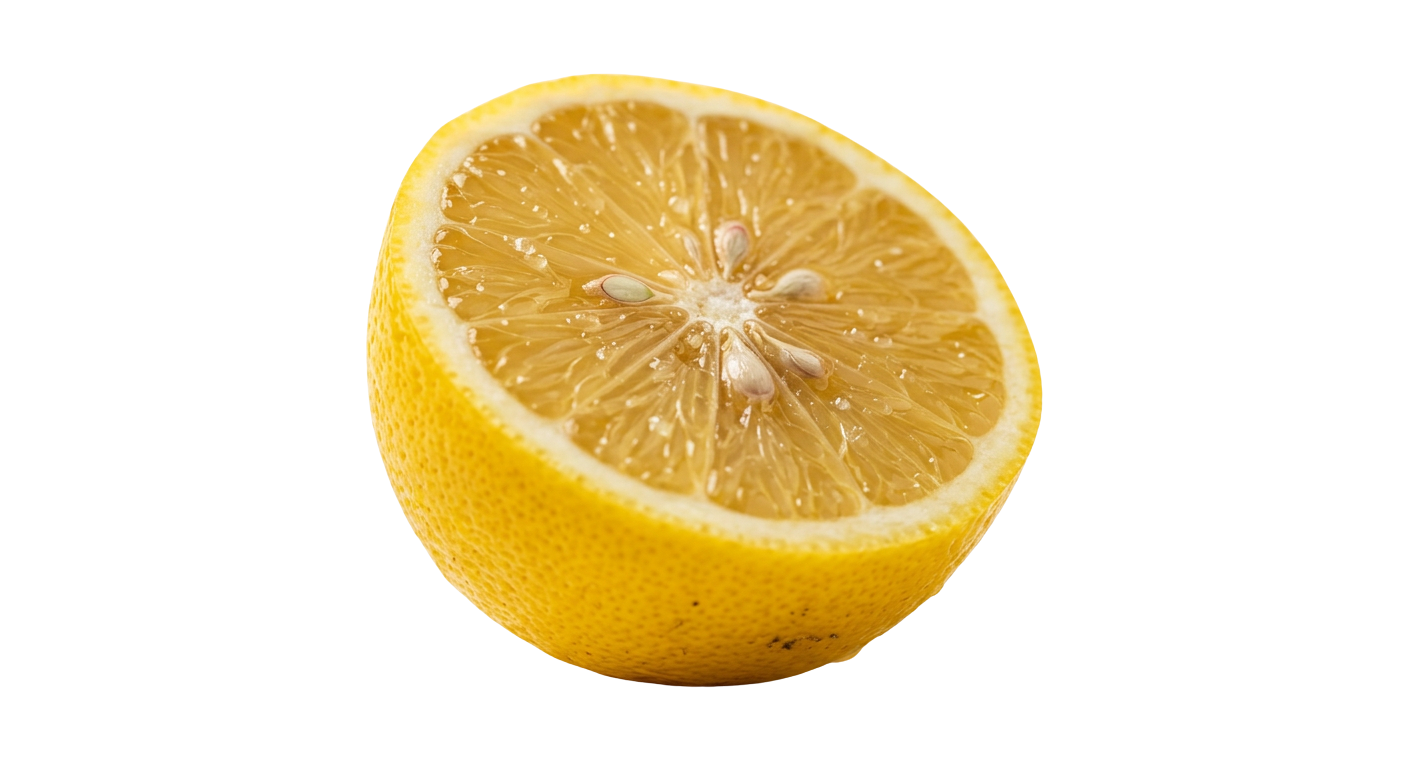
Limóncriollo, siempre
Add it last. Earlier, and it pickles the avocado into a sour paste. We'll explain later.
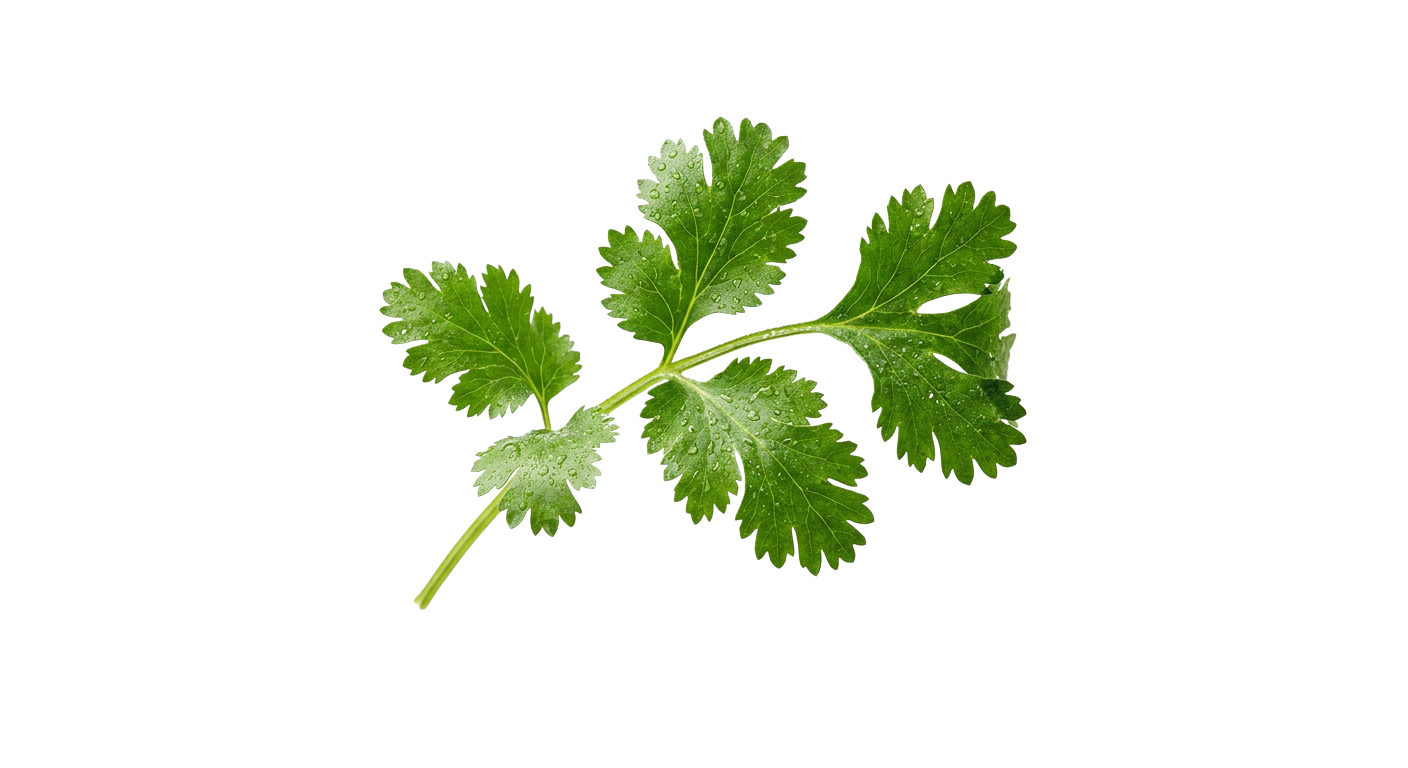
Cilantrotallo incluido
The stems carry seventy percent of the aroma. Tear by hand — a knife bruises the leaf.
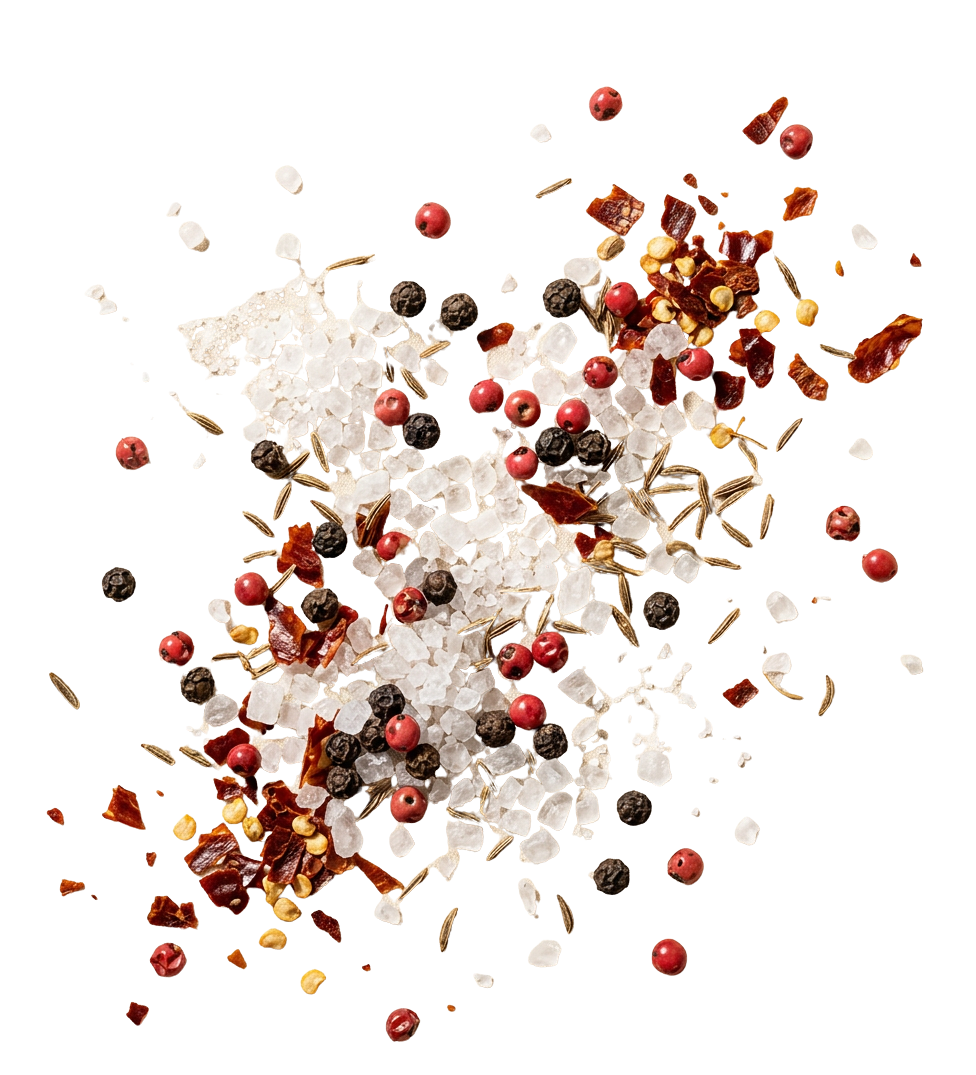
Sal de Margruesa, no fina
Coarse, to grind. Fine table salt dissolves too fast and you'll never taste the crystal.
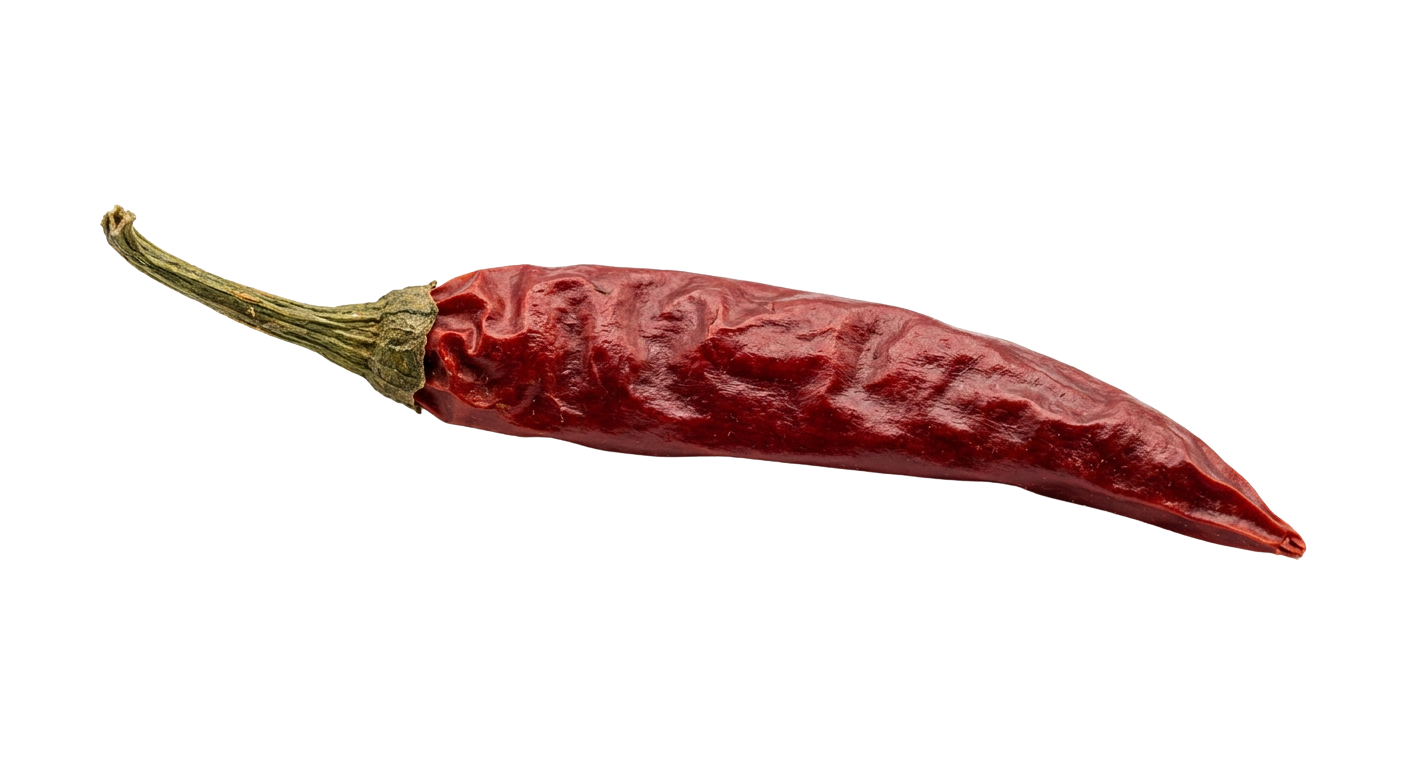
Chile Serranopara los valientes
Seeds in if you like heat, out if you don't. Jalapeño works but tastes domesticated.
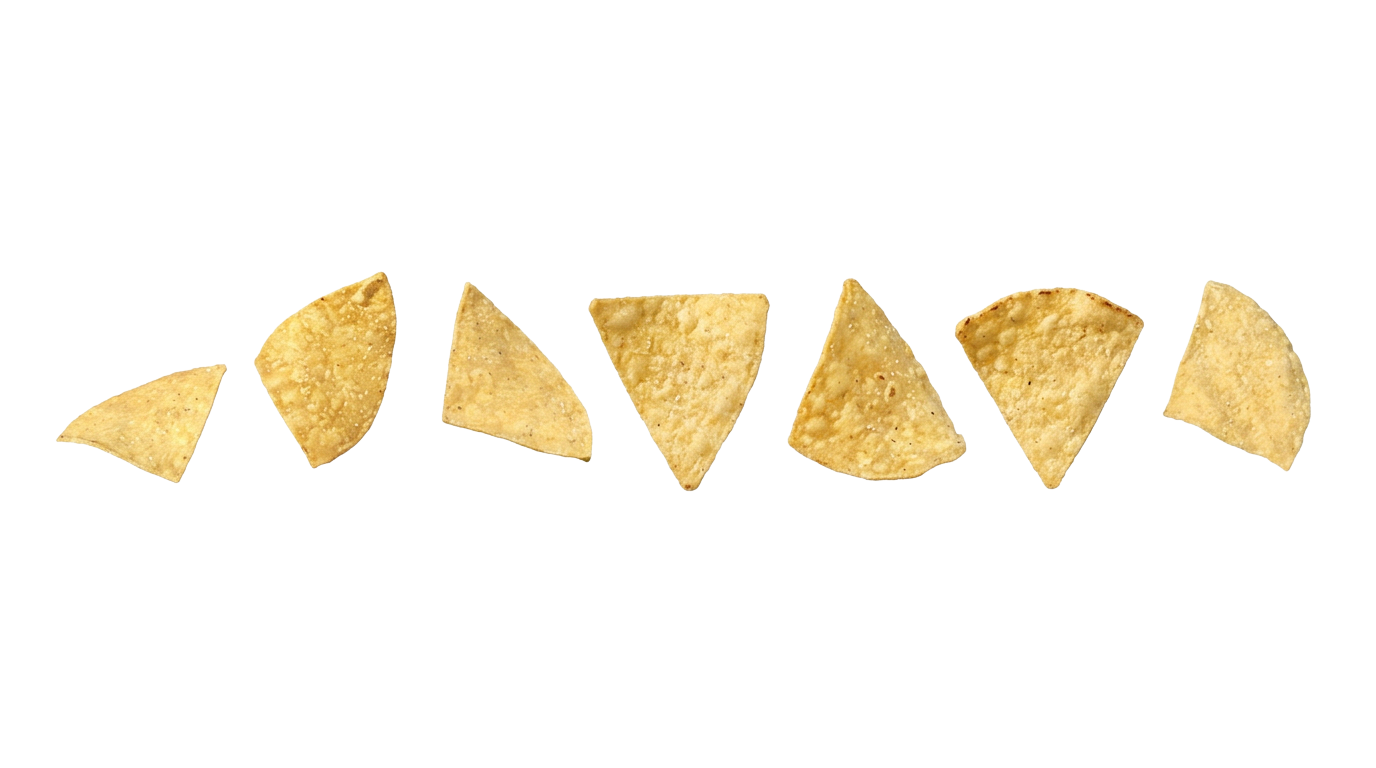
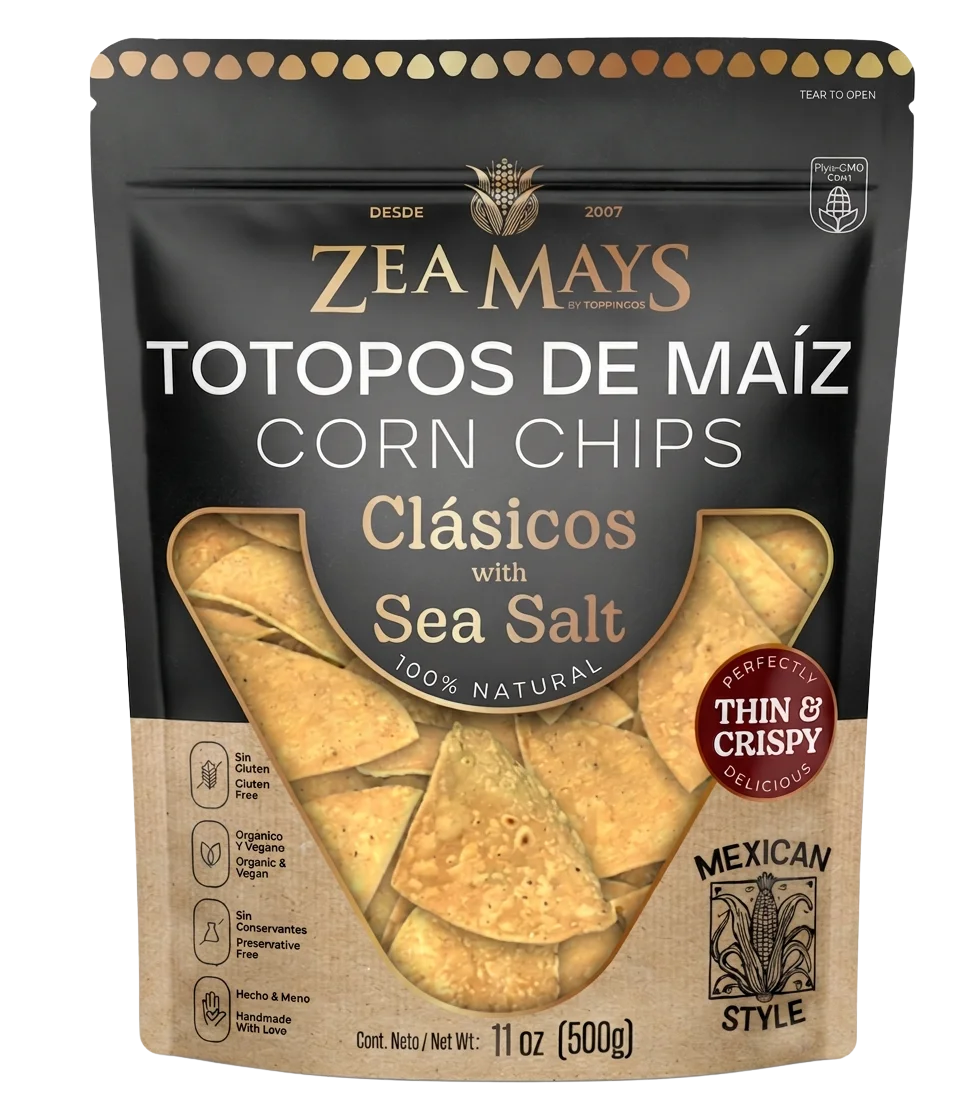
Totopos Zea MaysClásicos con Sal de Mar
The only chip worthy of this guacamole. Meet the flagship →
Five movements. No steps.
A recipe has steps. A ritual has movements. The difference is attention.
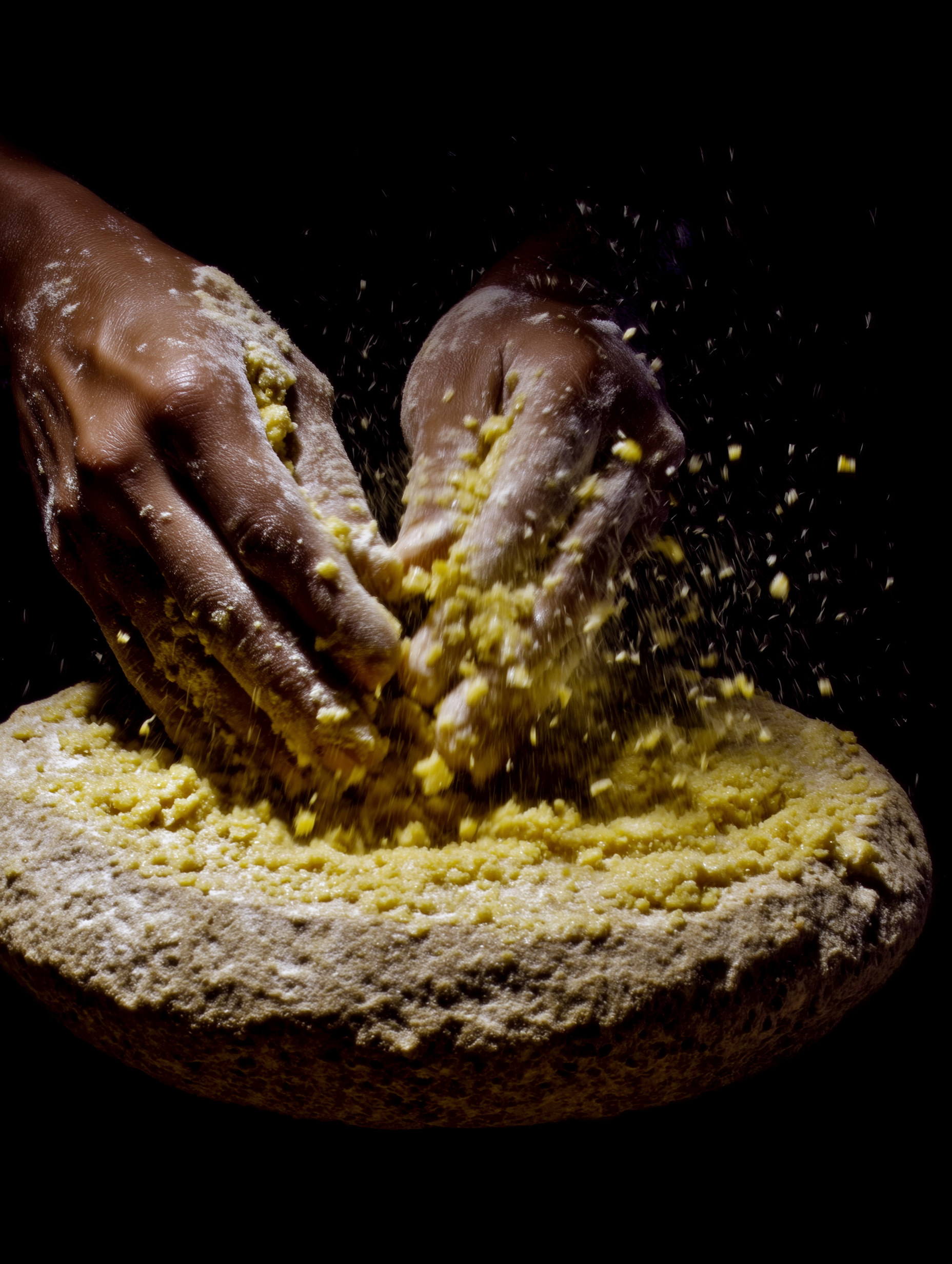
Despertar el molcajetewake the stone
If your molcajete is new, season it: grind rice and salt until the dust comes out grey, then white. An old stone needs less — a single clove of garlic, a pinch of sea salt, rubbed in circles until the kitchen smells like a promise. The stone has memory. Greet it.
Machacar la basebuild the foundation
Chile, a pinch of coarse salt, and the cilantro stems — not the leaves, not yet — go in first. Grind in slow concentric circles until it becomes a bright green paste. This takes four minutes. There is no faster way, and there is no point in hurrying. The paste is the flavor base that every avocado piece will travel through.
Incorporar el aguacatefold, don't crush
Score each avocado inside the skin — a crosshatch — and spoon the cubes into the molcajete. Press gently with the tejolote. You want lumps. You want texture. A guacamole without pieces is just dip, and dip is not a ritual.
Limón al finalnever before
Now — only now — squeeze half a limón and fold in the torn cilantro leaves. The acid brightens and preserves, but added earlier it would cook the avocado into grey sourness. Taste. Adjust salt. If you want heat, add more chile seeds. If you don't, stop here.
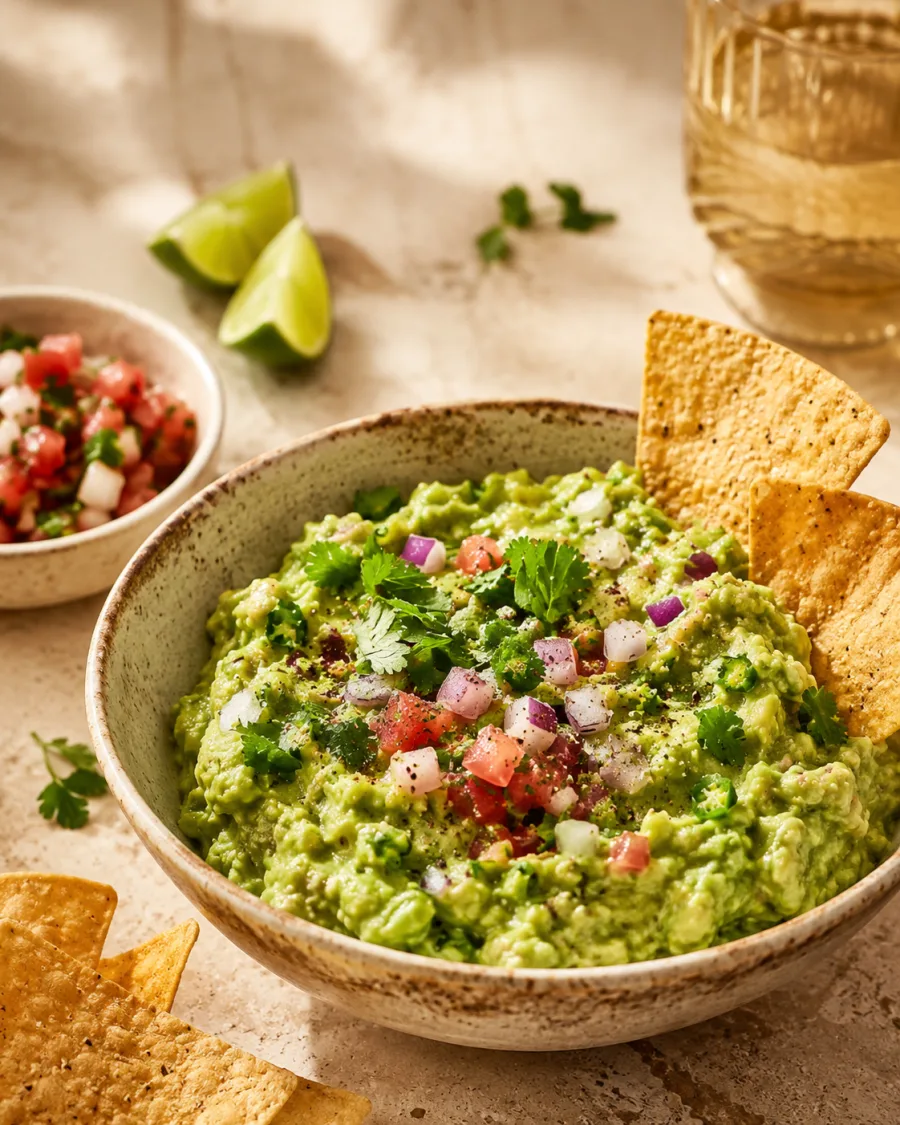
Servir, con totoposbring the tribe
Serve in the molcajete itself — warmth from the stone, weight at the center of the table. A bowl of Totopos Zea Mays Clásicos alongside, never on top. And gather the people you love most, because guacamole does not keep. It is made for ahora.
Why these chips, not others.
A thick guacamole punishes thin chips. It breaks them, drowns them, embarrasses them. Our Clásicos con Sal de Mar were built — nineteen years ago, in the same kitchen we still cook in — for exactly this job. The nixtamalized corn is dense enough to scoop without snapping, thin enough to crackle on first bite, and salted with Yucatán sea salt that marries the lime without fighting it.
No industrial chip will do this. They are fried too thin, or seasoned with powder that dulls the cilantro, or shaped into uniformity that leaves no air for the guacamole to breathe. This is the pairing we designed the recipe around.
Oxidation
Why limón goes last. Why the molcajete matters.
Avocado flesh oxidizes in two ways: through exposure to oxygen (browning), and through exposure to acid (denaturing). The myth says lime prevents browning; the truth is that lime, added too early, begins to cook the fruit while it sits against the stone. Salt pulls water out. Acid pulls structure out. Add acid last — brighten, don't embalm.
As for the molcajete: its volcanic porosity means every previous batch seasons the next. A well-used stone carries traces of garlic from last month's salsa, of chile from Tuesday's breakfast. A blender is a blank canvas. A molcajete is a library. If you must store leftovers — which we don't recommend — press plastic flush to the surface and keep the avocado pit on top. Cold, sealed, eaten tomorrow. No later.
The soundtrack for guacamole night.
Because a ritual without music is just prep work.